Varicose Vein Removal: Causes, Treatments, Recovery Explained
-
admin
- February 3, 2026
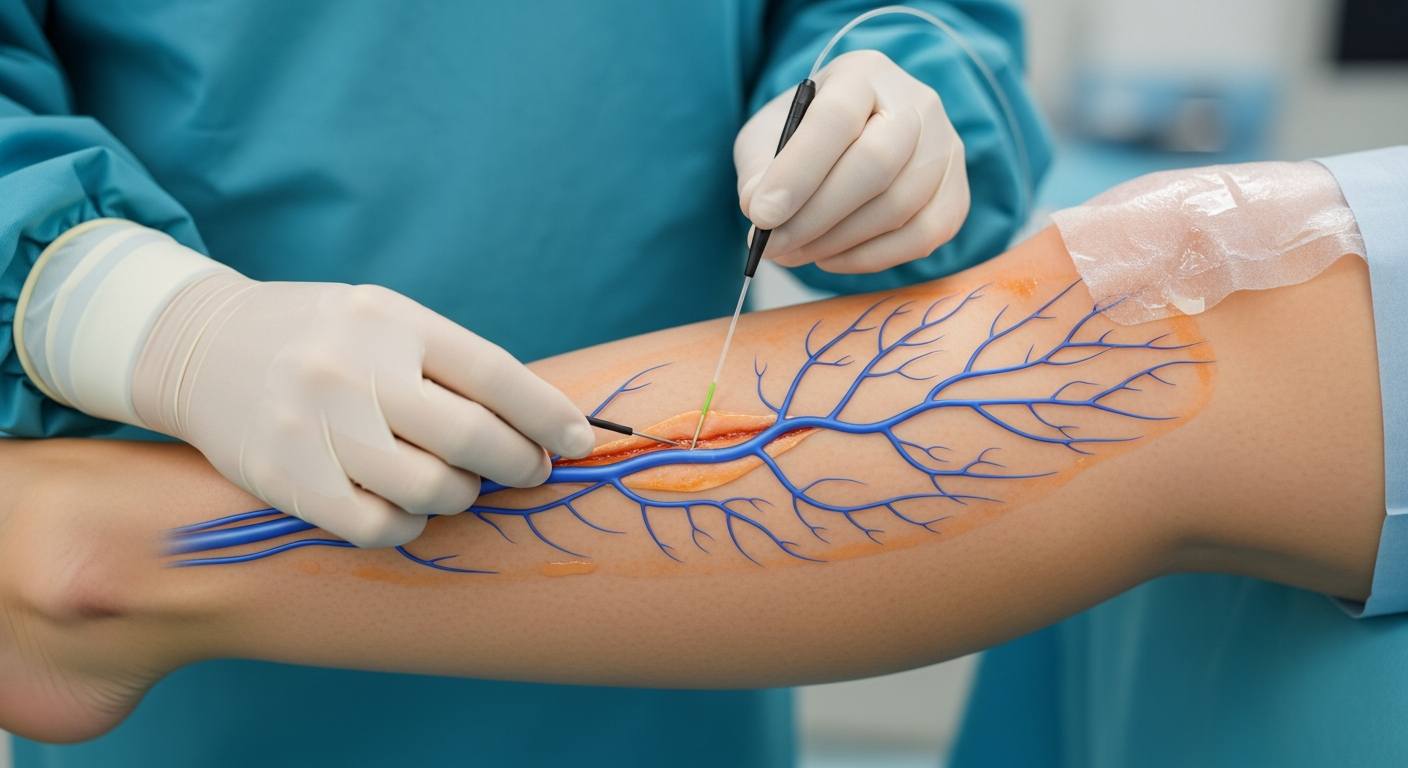
Varicose vein removal involves medical treatments that seal shut or remove enlarged leg veins so blood flows through healthier vessels. Options range from minimally invasive catheter procedures to traditional surgery. For example, endovenous radiofrequency or laser ablation and sclerotherapy injections are common outpatient treatments, as are ambulatory phlebectomy and ligation/stripping procedures. These approaches are highly effective: treated veins collapse, shrink and eventually disappear. In practice, most patients see significant relief of pain and swelling once the abnormal veins are closed.
Varicose veins are swollen, twisted vessels that bulge under the skin of the legs. They form when one-way valves inside the veins weaken, allowing blood to pool and stretch the vessel. Over time this causes blue or purple, rope-like veins and symptoms such as aching, heaviness or itching in the legs. In severe cases, untreated varicose veins can lead to chronic venous insufficiency, skin ulcers, or increase the risk of deep-vein blood clots.
For mild varicose veins, doctors usually start with simple self-care. Elevating the legs, walking regularly, and avoiding long periods of standing can improve circulation. Compression stockings are especially effective: these tight elastic socks squeeze the legs and help move blood upward. Worn daily, they can relieve symptoms and may slow progression of varicose veins. These measures are often the first step before moving on to medical treatments.
Endovenous (Heat) Ablation
Minimally invasive ablation (radiofrequency or laser) is the most common treatment for larger varicose veins. In this outpatient procedure, a thin catheter is guided through a tiny incision into the faulty vein. The catheter’s tip uses heat (from radio waves or a laser) to collapse and seal the vein walls. Because the vein remains in place, blood is rerouted through deeper veins and normal flow is restored. Endovenous ablation typically takes about 30–60 minutes under local anesthesia, and patients can go home the same day. Most people walk immediately and resume normal activities very quickly. Compared to open surgery, recovery is faster and discomfort is generally lower.
Sclerotherapy
Sclerotherapy is an injection treatment commonly used for medium or smaller varicose and spider veins. The doctor injects a salt or chemical solution (often as foam) into the affected vein. This irritates the vein lining so it scars and seals shut. Because the closed vein no longer carries blood, it gradually fades and is absorbed. Sclerotherapy is done in the office without any incisions or anesthesia. A session takes just a few minutes per vein. Larger veins may require multiple treatment sessions to achieve full closure. Patients often wear compression after the procedure and see gradual fading over weeks.
Ambulatory Phlebectomy (Vein Micro-Removal)
For large surface varicose veins, ambulatory phlebectomy (microphlebectomy) is often recommended. In this minor surgery, the doctor makes tiny “stab” incisions in the skin along the vein and uses a special hook to pull out segments of the bulging vein. Only local anesthesia is needed, and most patients feel minimal pain. Because the incisions are so small, scarring is negligible. This procedure is done on an outpatient basis, and its downtime is very brief: many people walk immediately and can resume normal activities within a day or two. Compression stockings are usually worn for about a week to minimize swelling.
Vein Ligation and Stripping (Surgical Removal)
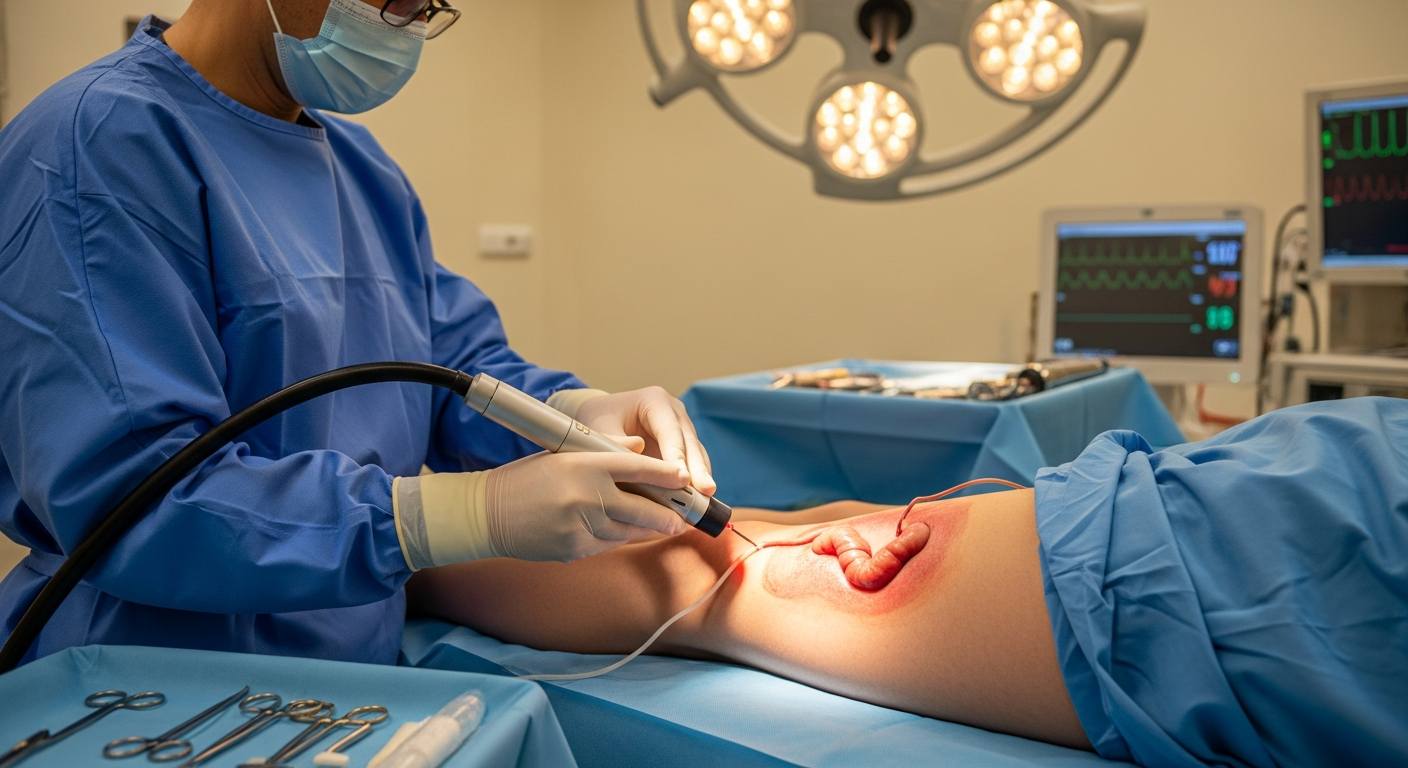
In cases of very large or extensive varicose veins, vein ligation and stripping may be used. In this procedure a surgeon ties off (ligates) the problem vein near its connection to deep veins and then removes (strips) the vein through small incisions. The surgery typically takes 1–3 hours under anesthesia, and most patients go home the same day or after a short hospital stay. After the diseased vein is taken out, blood flow shifts to deeper veins and nearby branches. Potential risks (infection, bleeding or nerve irritation) can occur but are uncommon. Because the problem vein is removed, it cannot recur later. Vein stripping is very effective even for severe varicosities.
Recovery and Outlook
Nearly all varicose vein treatments allow a quick recovery. Even after surgery, you can usually walk immediately and go home the same day. In the first week you may notice bruising, minor numbness or mild aching near the treated area, but these effects fade with time. You’ll likely be advised to keep your legs elevated periodically and wear compression stockings for a short period after any procedure. Avoiding heavy lifting or vigorous exercise for 1–2 weeks is typically recommended to ensure proper healing. However, most daily activities (walking, light work) can be resumed right away.
Overall, varicose vein removal is highly successful. Most treated veins collapse permanently and the visible bulge disappears. As the Cleveland Clinic notes, after successful treatment “you won’t be able to see or feel varicose veins”. Many patients report dramatic relief of pain, swelling and leg heaviness once the faulty veins are gone. Because modern vein treatments are so effective and safe, many adults over 40 achieve excellent outcomes. In consultation with a vascular specialist, you can choose the best method for your situation. With expert care, modern varicose vein removal can provide lasting relief and much healthier-looking legs.