Why Personal Protective Equipment Is Essential for Workplace Safety and Compliance
 Verlene Prescott
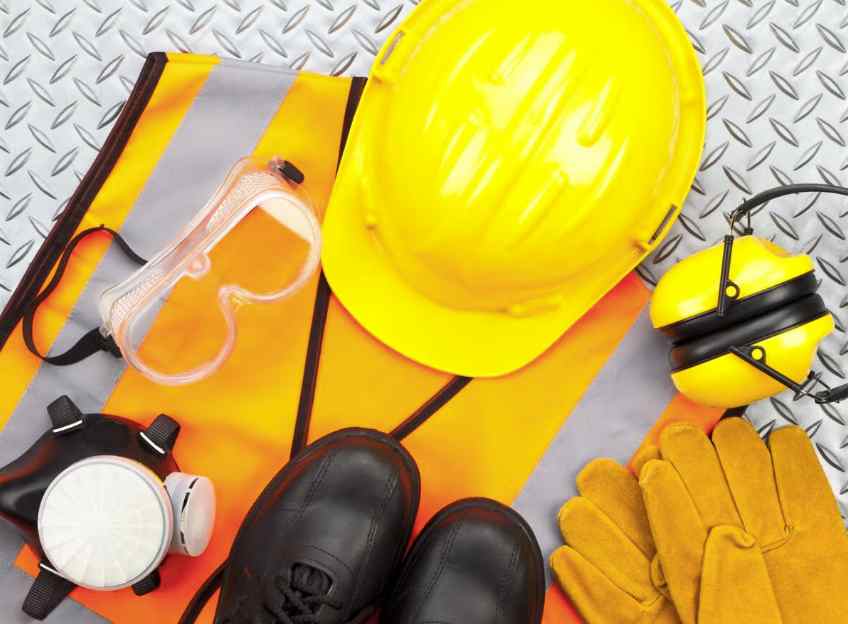
Maintaining workplace safety is a vital responsibility for every employer, whether operating in healthcare, construction, manufacturing, or sanitation. Protecting workers against hazardous substances, physical impacts, and biological risks prevents workplace injuries and promotes operational continuity.
Equipping staff with certified personal protective equipment creates a secure working environment, ensuring that daily tasks can be carried out safely and in full compliance with occupational health regulations.
Critical Benefits of Using Certified Safety Gear
Implementing proper protective gear across work sites delivers substantial long-term benefits for both employees and business owners:
- Injury Prevention: Shields workers from chemical splashes, falling debris, extreme temperatures, and sharp objects.
- Regulatory Compliance: Keeps facilities aligned with local and international occupational health and safety standards.
- Infection and Biohazard Control: Prevents the transmission of dangerous pathogens in medical and sanitization environments.
- Increased Worker Confidence: Staff perform tasks more efficiently when they feel secure and well protected.
- Lower Liability Costs: Minimizes workplace accident claims and prevents expensive regulatory fines.
Primary Types of Protective Gear for Industrial and Medical Use
Different workplace environments present unique hazards, requiring specialized gear engineered to protect specific body zones against environmental risks.
Respiratory and Facial Protection
Airborne dust, chemical fumes, and biological droplets pose significant respiratory risks. High-grade respirators, medical face masks, safety goggles, and full-face shields provide essential barrier protection, keeping workers safe from hazardous inhalation and eye contact.
Full-Body Coveralls and Gowns
Industrial cleanups, laboratory work, and infectious disease management require complete body shielding. Disposable coveralls and fluid-resistant protective suits prevent dangerous substances from contacting skin or contaminating personal clothing during high-risk duties.
Hand and Foot Safety Solutions
Hands and feet are among the most frequently injured areas in industrial and clinical settings. Heavy-duty puncture-resistant gloves, medical nitrile gloves, and steel-toe safety boots protect against punctures, chemical exposure, and impact hazards.
Best Practices for Implementing Workplace Safety
Providing safety equipment is only the first step; employees must also receive thorough training on proper usage. Teaching staff how to correctly wear, remove, and safely dispose of contaminated gear prevents accidental exposure during daily routines.
Regular inspections should be conducted to replace damaged or expired safety gear immediately. Prioritizing reliable protective equipment protects your workforce, strengthens your safety culture, and ensures your operations run smoothly every single day.